How We Engage

One firm.
Five ways to work together.

Our role flexes — from owner's representative to embedded design partner. Most projects pull from more than one mode.

Engagement modes

How a project can plug into our practice.

01
Design consulting
We work alongside architects and designers from the start, aligning acoustics, technology, and spatial requirements with the building design — ensuring environments are intentional and on budget rather than applying it after.
02
Owner's representation
We sit on your side of the table and hold every technology decision to the same standard as the architectural ones.
  • Expert opinion on scope, budget, and feasibility
  • Risk identification before decisions are locked in
  • Evaluation of designs, bids, and proposed changes
  • Alignment between goals, design, and construction
03
Integrator alignment
We help select the right integration firm, negotiate the contract, and keep the design intent and budget intact through the process. Our relationship to integration firms is collaborative by design.
04
Construction-phase guidance
We stay engaged through installation to review technology system submittals, coordinate with the trades, and stay present through installation so the finished system reflects the design.
  • Trade coordination support
  • RFI clarity
  • Constructability review
  • Schedule and risk mitigation
05
Embedded design support
We extend your in-house team quietly when a project demands more than it should. On complex projects, internal teams sometimes need deeper technical focus without expanding headcount or disrupting workflows.
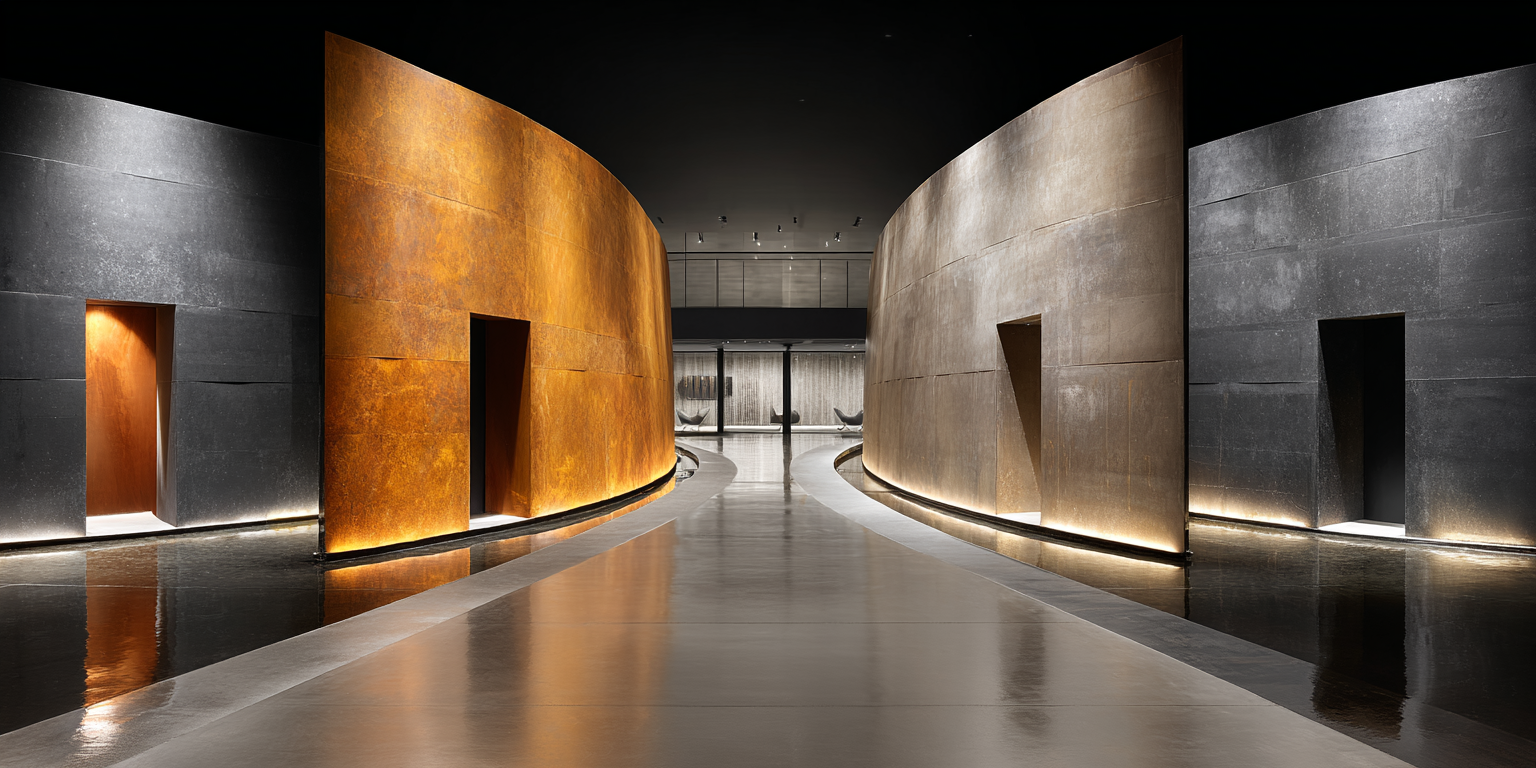
Embedded design support, in detail

We integrate quietly. Respect existing relationships. Focus on outcomes — not visibility.

Common reasons teams bring us in

  • Unusually complex or atypical spaces
  • Specialized acoustic or system design depth
  • Early feasibility and concept development
  • Resolving design challenges during construction
  • Protecting performance intent when constraints arise

Discretion and alignment

  • Client relationships remain intact
  • Credit and visibility remain with the lead team
  • Communication follows agreed protocols
  • Scope and authority are clearly defined

Our success is measured by how smoothly the project moves forward. If you don't see us in the credits, that's the point.

Who we work with

People who know that the space is never just a room.

Architects

Bringing technology into the design conversation from the start.

Church leadership

Serving congregations that take their environment seriously.

Theater & performing arts

Working with executive directors, technical directors, and boards investing in long-term venue performance.

Design-build & construction

Partnering with teams who want technology resolved before it becomes a field problem.

Integration firms

Collaborating to protect design intent through installation.

Owner's representatives

Supporting the people accountable for the full project outcome.

Creative & production teams

Designing around the people who will actually use the space.

Permanent, temporary, or touring.

Our work begins with people, not products.

"We work best when we can step in where things get complex and help your team keep momentum. Sometimes that's visible, sometimes it's not — either way, the goal is to make the project easier, not louder."

Ready to bring us in early?

Start a Conversation