TFI LAVA designs environments that communicate. Aligning technology, acoustics, and space so every room delivers clarity, connection, and lasting impact for the people inside it.
"Transfer function" is a measurement. The difference between input and output. The science of what happens in between.
Let's start with the name.
In audio and acoustic engineering, a transfer function is a measurement. It shows what happens to a sound from its starting point to its ending point. You put a signal in and measure what comes out. The difference between the two — the gap or the transformation — is the transfer function.
Simply put, it's the science of what happens in between.
We chose our company name because it reflects the problem we solve every day.
Someone builds a church. They hire an architect to design it and a contractor to build it. Then, near the end — after the walls are up, the ceiling is finished, and the budget is almost gone — someone finally asks, "What are we doing about the sound system? The screens? The lights?"
That's when things start to fall short. It's not because the equipment is bad, but because the question came too late. The room was already designed in a way that limits how the technology can work inside it.
The input was a vision. The output was a compromise. Everything in between was shaped by decisions made without the right person in the room.
That's where we come in.
TFI Lava is the team you bring in at the very beginning, when the architect is still sketching ideas and decisions are still open. That's when there's time to get it right. We don't sell equipment or install anything. We're independent experts who sit at the design table and make sure technology is treated like architecture: planned, considered, and built into the space from day one — not added at the last minute.
That gap, that transformation, is what we close. You start with a vision. We make sure the result matches it. What happens in between is our specialty.
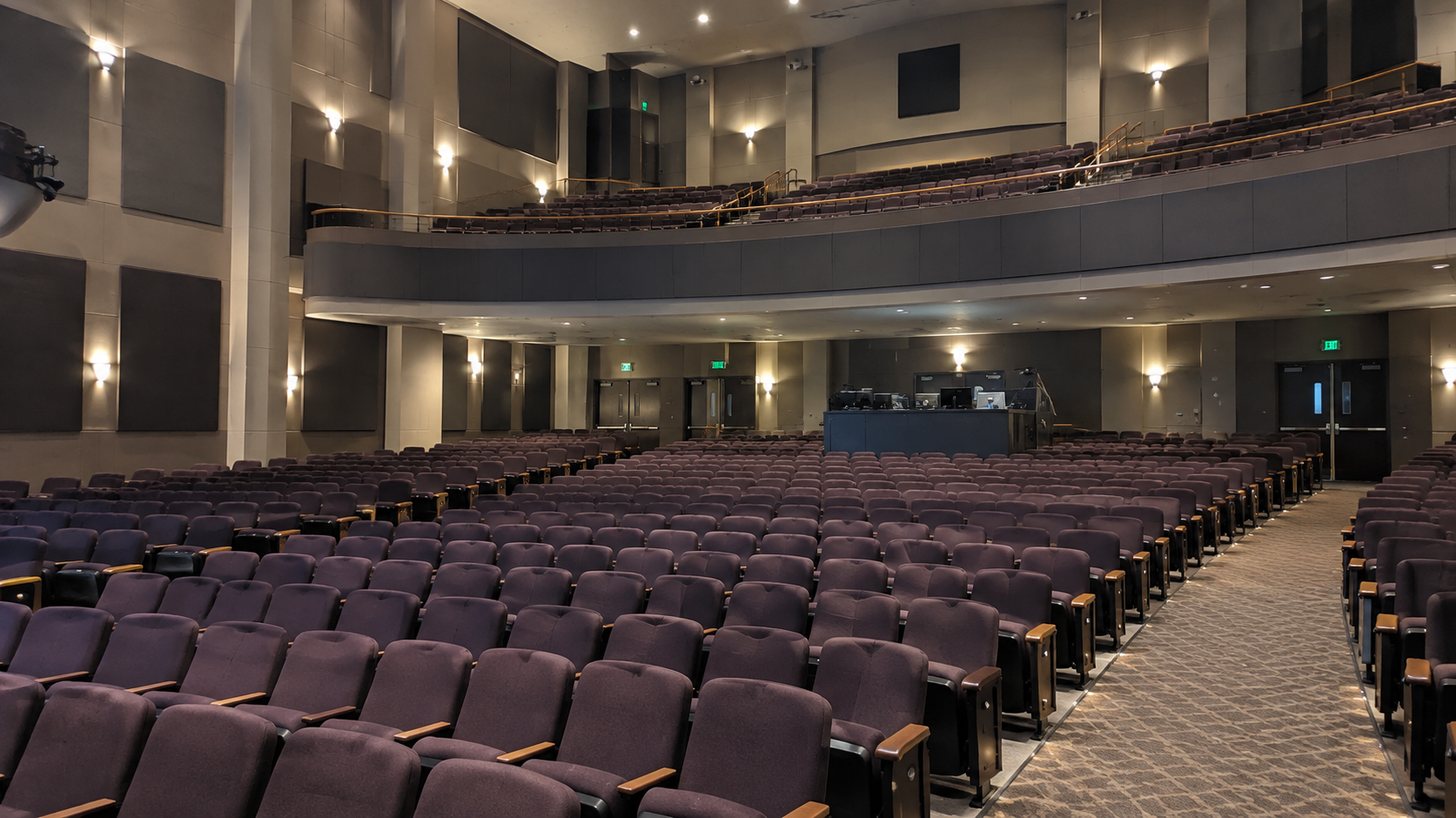
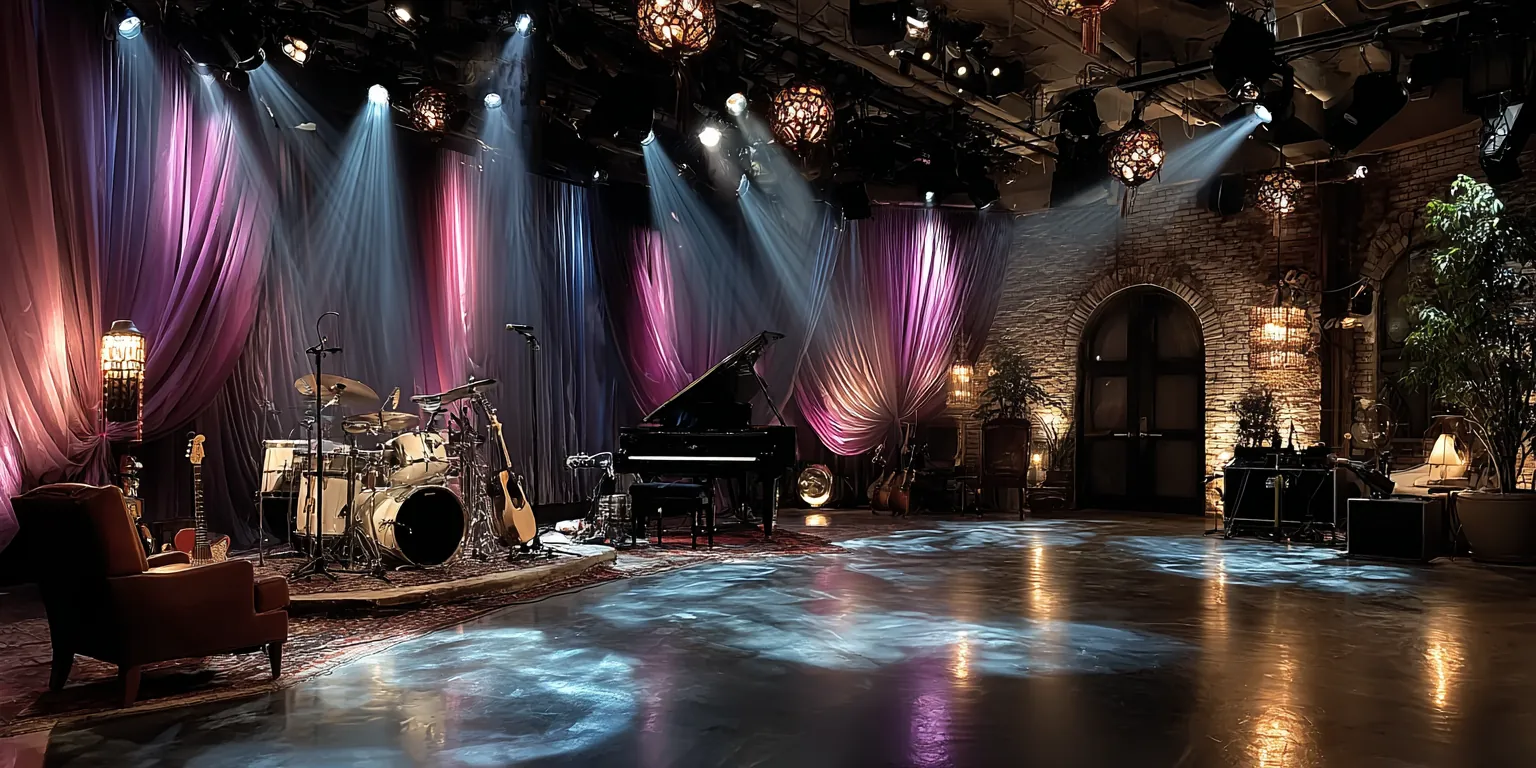
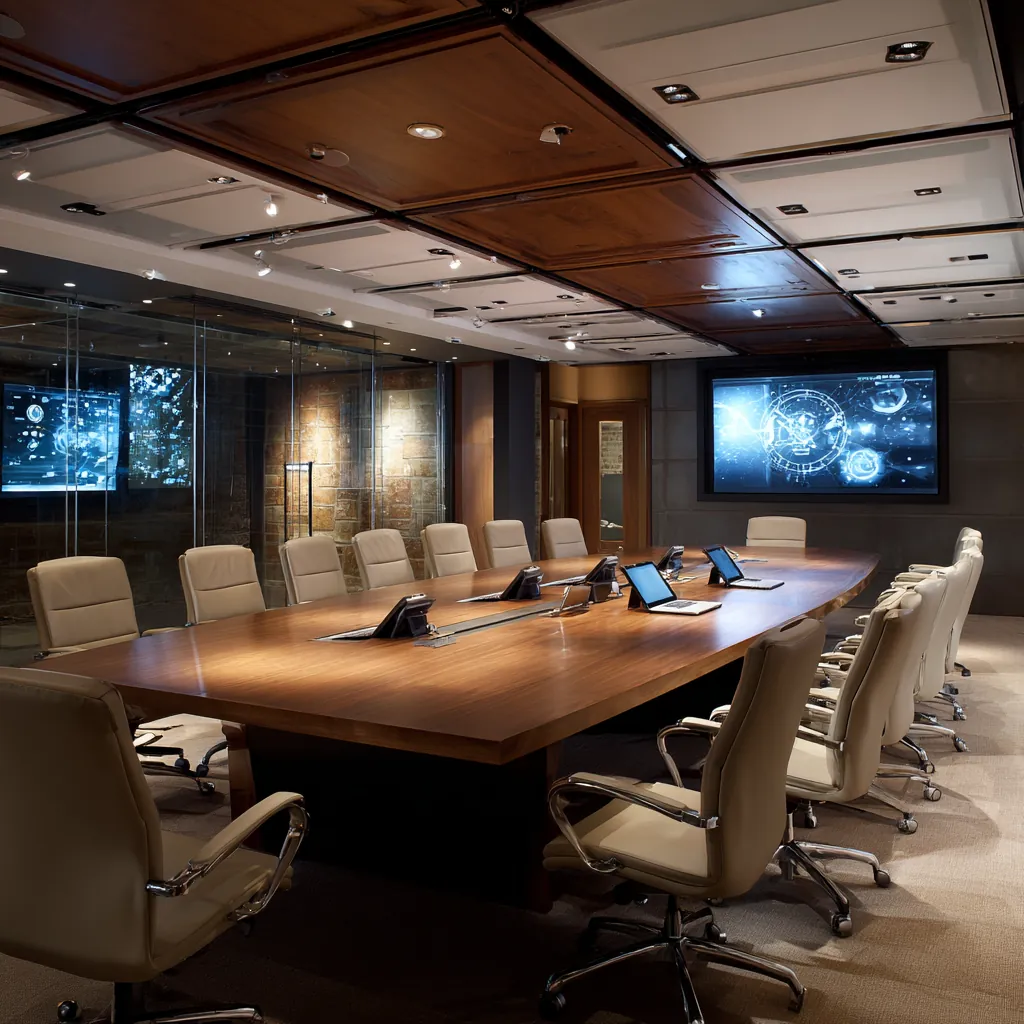
We work with churches, schools, performance venues, corporate offices, and many other spaces — anywhere technology and architecture need to work together seamlessly. That's Transfer Function Intelligence. That's TFI Lava.
People are not rational receivers of technology. They are emotional. They are contextual. They are shaped by sound, light, scale, and rhythm. This belief is the starting point of our work.

Technology is often considered only after a room is planned. As a result, rooms may function on paper but feel disconnected in practice. Users are present but not engaged, experiences lack impact, and production teams struggle with systems that do not fit their workflow.
We believe that implementing technology design from the outset creates a seamless environment with fewer distractions, a better atmosphere, and more engaged audiences. Making technology part of the architectural development conversation from the beginning ensures a truly immersive environment that communicates well.

Most technology doesn't fail. It succeeds — just not in the way we measure.

Design often treats absence as a problem to solve. The human nervous system relies on contrast.

Most environments are designed for how people should behave.
The first conversation is simply a conversation. There's no sales pitch, no proposal, and no obligation. It's just an honest look at what your project needs and whether we're the right fit.
Start the Conversation